Between the Lines: Prison Art & Advocacy
August 9, 2024 - September 2, 2025
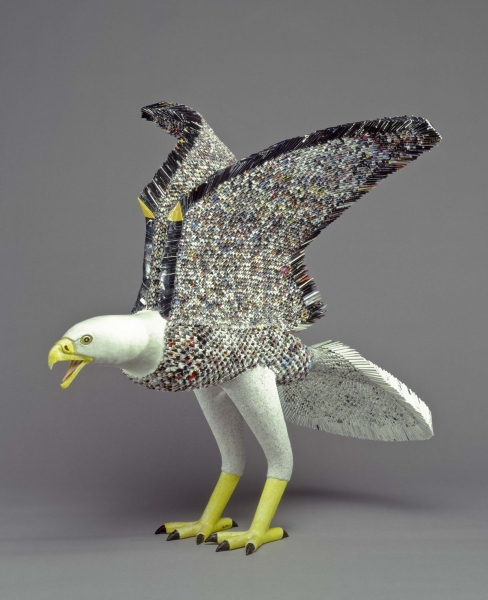
Between the Lines: Prison Art & Advocacy seeks to re-humanize the incarcerated. Through a combination of in-gallery artworks, fresh multimedia pieces (interviews with returned citizens and allies, art-making demonstrations, etc.) and community-co-developed events, this exhibition will explore prisoners’ rights, recidivism / systemic oppression, and transitional justice.
Learn More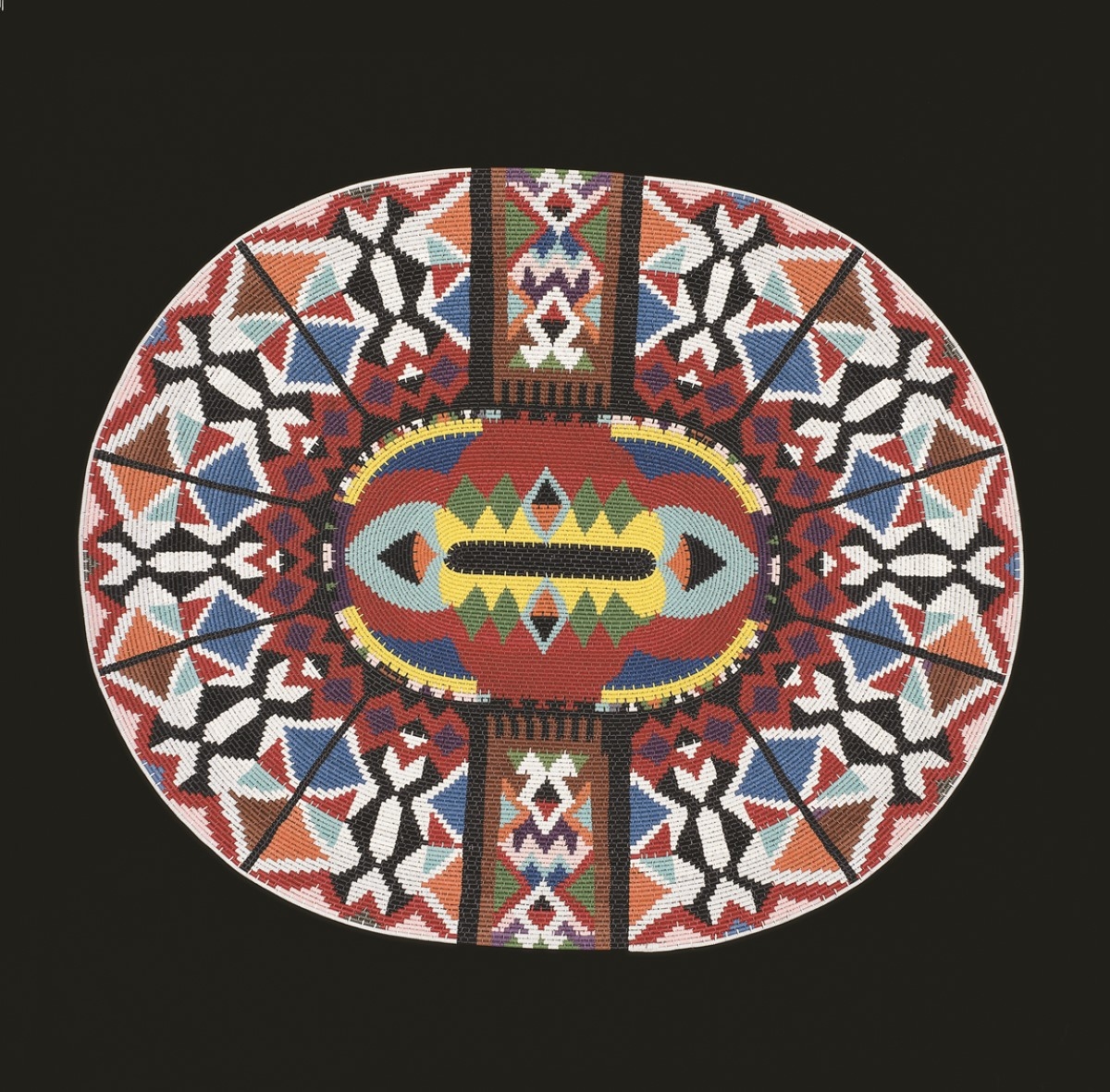
iNgqikithi yokuPhica / Weaving Meanings: Telephone Wire Art from South Africa
November 17, 2024 - November 17, 2025
The spectacular art of telephone-wire weaving is the subject of iNgqikithi yokuPhica / Weaving Meanings: Telephone Wire Art from South Africa at the Museum of International Folk Art in Santa Fe, New Mexico. Foregrounding artists’ voices, Weaving Meanings shares histories of the wire medium in South Africa, from the 16th century uses as currency to the dazzling artworks wire weavers create today. From beer pot lids (izimbenge) to platters and plates, from vessels to sculptural assemblages, works in the exhibition speak to the continued development and significance of this artistic tradition, both locally in KwaZulu-Natal and to global markets and audiences.
Weaving Meanings features historical items alongside contemporary works of art, demonstrating individual and community-based ways of making and knowing. Curated in consultation with Indigenous Knowledge experts in broader Nguni and specific Zulu cultures, this exhibition sheds new light on this artistic medium, highlighting the experiences of the artists themselves through videos featuring interviews and the process of creating wirework.
The first major exhibition of telephone-wire art in any North American museum, Weaving Meanings brings together several significant collections generously donated to the museum by David Arment. Guest curator Dr. Elizabeth Perrill, one of the world’s foremost experts on Zulu ceramics, brings to the project over 15 years of experience collaborating with artists in KwaZulu-Natal, South Africa and 25 years of engaged research in Southern Africa.
To make a donation to help support this important project, please click HERE.
Image Credit: Telephone wire plate by Ntombifuthi (Magwaza) Sibiya, 515 x 425 mm. Museum of International Folk Art. Photo by Andrew Cerino.
Learn More